Choosing a local roofing contractor means hiring professionals who know Wichita’s climate, comply with Kansas state registration, and carry the MABCD licenses required for permitted work in Sedgwick County. The difference between a local roofer and an out-of-town provider is not just geography. It is accountability, permit fluency, and a reputation built street by street in your own neighborhood. This article breaks down exactly why local contractor advantages matter for Wichita homeowners, from hail-resistant material selection to verifying Kansas Attorney General registration before signing anything.
Why choose a local roofing contractor for Wichita homes
Local roofing contractors are defined as licensed, registered providers who operate primarily within a specific geographic market and maintain ongoing compliance with that market’s regulatory requirements. For Wichita homeowners, that means contractors registered with the Kansas Attorney General and licensed through the Metropolitan Area Building and Construction Department, known as MABCD.
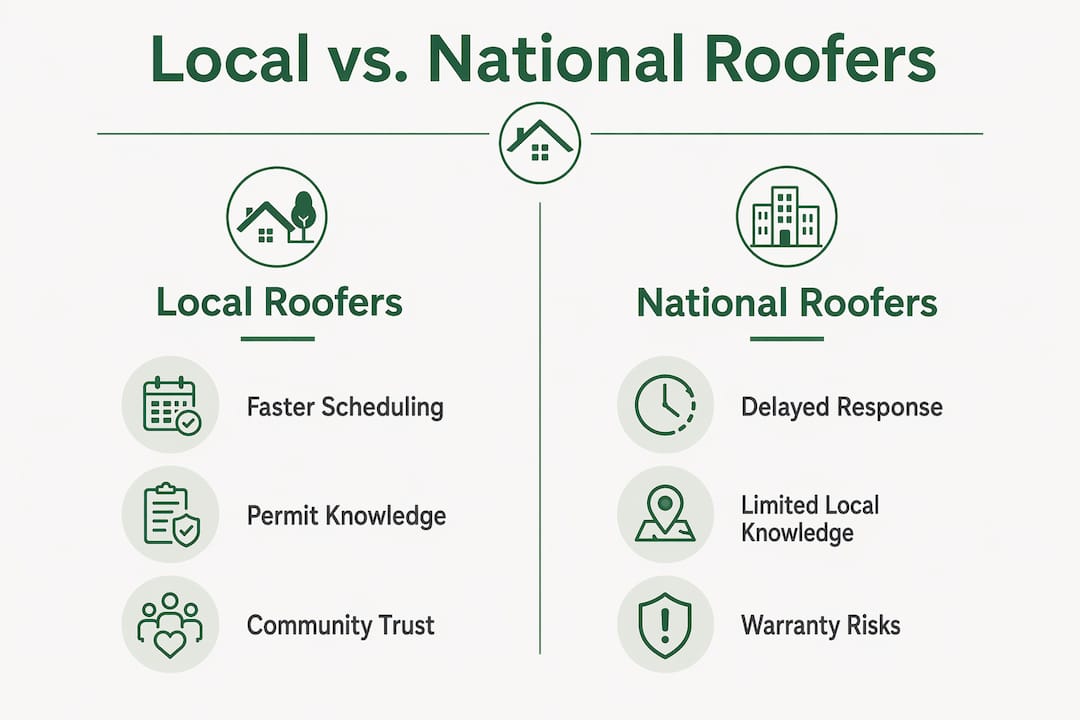
The benefits of local roofers go beyond familiarity. They include faster scheduling, permit knowledge, and the kind of community accountability that out-of-state companies simply cannot replicate. When a contractor’s business address is three miles from your home, their reputation is on the line every time they pull into your driveway.
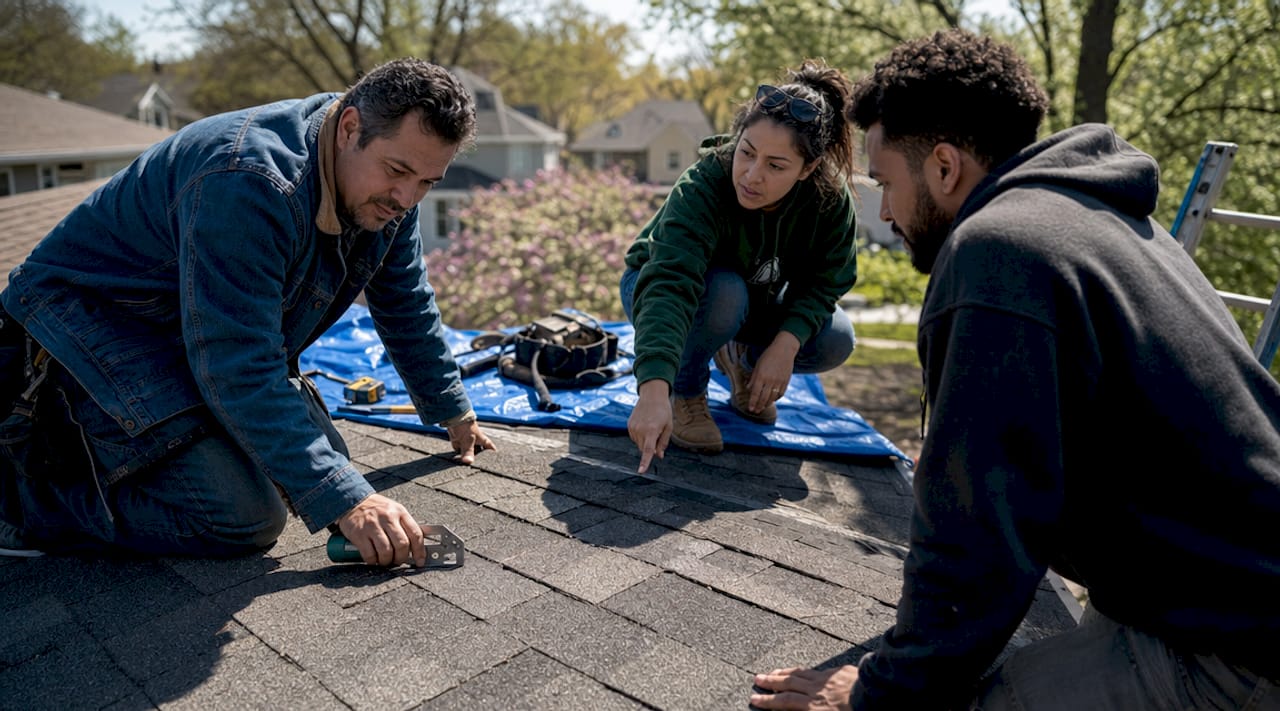
Kansas AG Kris Kobach has publicly emphasized that “local” means verifiable compliance with state registration, not just a nearby zip code. That distinction matters enormously when you are trusting someone with your roof.
How Wichita’s weather demands specialized roofing knowledge
Wichita sits squarely in Tornado Alley and within one of the most active hail corridors in the United States. That geographic reality shapes every roofing decision a homeowner makes, from shingle selection to flashing details around chimneys and vents.
Impact-resistant materials are not optional in this market. Class 4 impact-resistant shingles, metal roofing panels, and reinforced underlayment are standard recommendations for homes in Sedgwick County because hailstones here regularly exceed one inch in diameter. A contractor who primarily works in, say, coastal Florida has no practical experience specifying these products for Kansas conditions.
Local roofers also understand neighborhood-specific challenges that never appear in a national contractor’s training manual:
- Older Wichita neighborhoods like College Hill and Riverside often have homes with steep-pitch roofs and original wood decking that requires careful inspection before any overlay or replacement.
- Newer subdivisions in northwest Wichita and Goddard frequently use architectural shingles with manufacturer warranties that require certified installers to remain valid.
- Commercial corridors along Kellogg Avenue face higher wind-uplift exposure, making proper fastening patterns and edge metal installation critical.
- Tree canopy density in areas like Eastborough creates moss and algae growth conditions that demand algae-resistant shingle formulations.
Pro Tip: When getting bids in Wichita, ask each contractor to specify the impact resistance rating of the shingles they plan to install. Class 4 is the highest rating and often qualifies you for a homeowner’s insurance discount of 20% to 30% with many Kansas carriers.
What dual licensing requirements mean for Wichita homeowners
Roofing in Wichita operates under a two-layer compliance structure that trips up out-of-town contractors regularly. First, Kansas state law requires roofing contractors to register with the Kansas Attorney General under the Kansas Roofing Registration Act. Second, any contractor performing a full roof replacement in Wichita must hold an active MABCD contractor license and pull a permit before work begins.
Verifying MABCD license status is straightforward. Homeowners can check through the MABCD online portal or call the department directly. Unlicensed contractors cannot obtain MABCD permits, which means any roofer who skips the permit process is also operating without a valid license. That is a significant red flag.
The permit process itself protects you in three concrete ways. It triggers a city inspection at project completion, confirms the work meets current building codes, and creates a public record that supports future home sales or insurance claims. Skipping a permit to save a few hundred dollars can cost thousands when you sell your home or file a claim.
Here is how local and non-local contractors typically compare on compliance:
| Factor | Local Wichita contractor | Out-of-town or storm-chasing contractor |
|---|---|---|
| Kansas AG registration | Maintained year-round | Often absent or expired |
| MABCD license | Active, regularly renewed | Frequently unlicensed |
| Permit pulling | Standard practice | Often skipped to cut costs |
| Inspection familiarity | Knows inspectors and process | Unfamiliar, causes delays |
| Insurance code upgrades | Understands permit fee coverage | May pass fees to homeowner |
One detail most homeowners miss: permit fees are generally covered under insurance code upgrade provisions and should not come out of your deductible. A local contractor who regularly works with Wichita insurance adjusters will know to include permit costs in the estimate. An out-of-town contractor often does not.
Pro Tip: Before signing any roofing contract in Wichita, ask for the contractor’s Kansas AG registration number and their MABCD license number. You can verify both in under five minutes online. If a contractor hesitates to provide either, walk away.
Why community reputation makes local roofers the reliable choice
74% of homeowners find roofers through recommendations, and 62% contact roofers they have previously used. Those numbers reflect a simple truth: roofing is a trust-based purchase, and trust is built locally. A contractor who has replaced roofs on your street, received Google reviews from your neighbors, and answered calls from your zip code for ten years has a track record you can actually verify.
Transparent pricing is a direct extension of community accountability. 65% of homeowners are more likely to contact roofers who display pricing information upfront, and communication failures rank as the top pain point in roofing experiences. Local contractors who depend on neighborhood referrals have a financial incentive to communicate clearly and price honestly. Their next job often comes from your next-door neighbor.
When evaluating a local roofer’s reputation, focus on these specific signals:
- Google and BBB reviews from Wichita addresses, not generic five-star ratings without location context
- References from completed projects in your specific neighborhood or zip code
- Membership in local trade organizations such as the Wichita Area Builders Association
- Years of continuous operation in Wichita, not just years in business nationally
- Response time to initial inquiries, which reflects how they will communicate throughout your project
A contractor who has served Wichita for a decade has survived Kansas storms, navigated MABCD inspections, and resolved warranty claims for real homeowners in your community. That history is not something a national brand or a storm-chasing crew can manufacture. You can read more about verifying contractor legitimacy before committing to any provider.
Local vs. national roofers: what the differences actually cost you
The practical gap between a local Wichita roofer and a national or storm-chasing provider shows up most clearly in three areas: response time, warranty reliability, and post-storm accountability.
Local contractors deliver faster response and stronger after-service support compared to national providers. After a major hail event in Wichita, local roofers are already in the market, familiar with the damage patterns, and able to schedule inspections within days. National companies often dispatch crews from out of state, adding weeks to your timeline while your interior is exposed to water intrusion.
| Comparison factor | Local Wichita roofer | National or storm-chasing roofer |
|---|---|---|
| Scheduling after storm | Days | Weeks |
| Warranty follow-up | Accessible, local office | Often unreachable post-project |
| Kansas AG registration | Verifiable | Frequently missing |
| MABCD permit compliance | Standard | Often skipped |
| Contract pressure tactics | Rare | Common door-to-door approach |
| Long-term accountability | High, community-based | Low, transient operation |
Storm-chasing contractors present a specific and well-documented risk. Post-storm contractors frequently pressure homeowners into contracts that limit control and delay insurance claim processes. Kansas AG Kris Kobach has warned Kansans directly to request registration certificates before any work begins, specifically because fly-by-night operators exploit post-storm urgency.
The warranty issue deserves particular attention. A local roofer who installs your roof in 2026 and is still operating in Wichita in 2031 can actually honor a five-year workmanship warranty. A storm-chasing crew that leaves Kansas after the repair season ends cannot. Choosing a reliable local roofing company protects your investment well beyond the day the crew leaves your driveway.
Pro Tip: Never sign a roofing contract at the door, and always consult your insurance agent before approving work post-storm. Aggressive door-to-door contractors often use open-ended contract language that transfers control of your insurance claim to them, not you.
Key takeaways
Hiring a local Wichita roofing contractor with verified Kansas AG registration and an active MABCD license is the single most reliable way to protect your home, your warranty, and your insurance claim.
| Point | Details |
|---|---|
| Verify dual compliance | Confirm Kansas AG registration and MABCD license before signing any contract. |
| Demand permit documentation | A permit triggers a city inspection and protects your home sale and insurance claim. |
| Prioritize community reputation | Check Google and BBB reviews from Wichita addresses, not generic national ratings. |
| Avoid storm-chasing contractors | Out-of-town crews often skip permits, pressure homeowners, and disappear after payment. |
| Match materials to Wichita’s climate | Class 4 impact-resistant shingles are the standard for hail and tornado exposure in Sedgwick County. |
What working in Wichita roofing has taught me about “local”
The word “local” gets used loosely in roofing marketing, and that looseness costs homeowners money. I have seen contractors advertise Wichita service from a P.O. box two states away. I have reviewed contracts from storm-chasing crews who arrived in Kansas with no AG registration, no MABCD license, and no intention of pulling a permit.
The homeowners who avoid these situations share one habit: they verify before they sign. They check the Kansas AG registration directory. They call MABCD to confirm license status. They ask for references from completed jobs within their zip code. That process takes less than an hour and eliminates most bad actors immediately.
What I find most telling is the warranty conversation. When you ask a local Wichita contractor where their office will be in five years, they give you a specific address. When you ask a storm-chasing crew the same question, the answer gets vague fast. Proximity matters, but verifiable compliance and community accountability matter more. The best local roofers in Wichita are not just nearby. They are registered, licensed, permitted, and invested in the neighborhood they serve.
— Virtual
Roofwichita: local expertise you can verify
Roofwichita, operating as Equity Builders Roofing, carries active Kansas AG registration and MABCD licensing for every residential and commercial roofing project in Wichita and surrounding communities. Every roof replacement includes proper permit pulling, city inspection coordination, and insurance claim assistance so permit fees are correctly applied to your estimate.
From hail damage restoration and storm damage repair to full roof installation in Wichita, Roofwichita brings the local knowledge, regulatory compliance, and community reputation that protect your home long after the project is complete. If you want to choose a roofing contractor with verifiable credentials and a track record in your neighborhood, contact Roofwichita today for a free inspection and honest estimate.
FAQ
Why does hiring a local roofer matter in Wichita specifically?
Wichita’s location in Tornado Alley and its dual compliance requirements, including Kansas AG registration and MABCD licensing, mean local roofers have practical knowledge that out-of-town contractors lack. That knowledge directly affects material selection, permit compliance, and insurance claim accuracy.
How do I verify a roofing contractor’s credentials in Kansas?
Request the contractor’s Kansas AG registration number and check their status in the Attorney General’s registration directory. Then confirm their MABCD license through the MABCD online portal or by phone before any work begins.
Do I need a permit for a roof replacement in Wichita?
Full roof replacements in Wichita generally require an MABCD permit. The permit triggers a city inspection at completion and creates a legal record that protects your home value and insurance claims.
What is the risk of hiring a storm-chasing contractor after hail damage?
Storm-chasing contractors frequently skip Kansas AG registration and MABCD permits, use aggressive contract tactics, and leave the area before warranty issues arise. Kansas AG Kris Kobach has specifically warned homeowners to verify registration certificates before approving any post-storm roofing work.
What roofing materials are best for Wichita’s climate?
Class 4 impact-resistant shingles are the standard recommendation for Wichita homes due to frequent hailstorms and tornado exposure. These materials often qualify homeowners for insurance premium discounts and provide significantly longer service life under Kansas weather conditions.