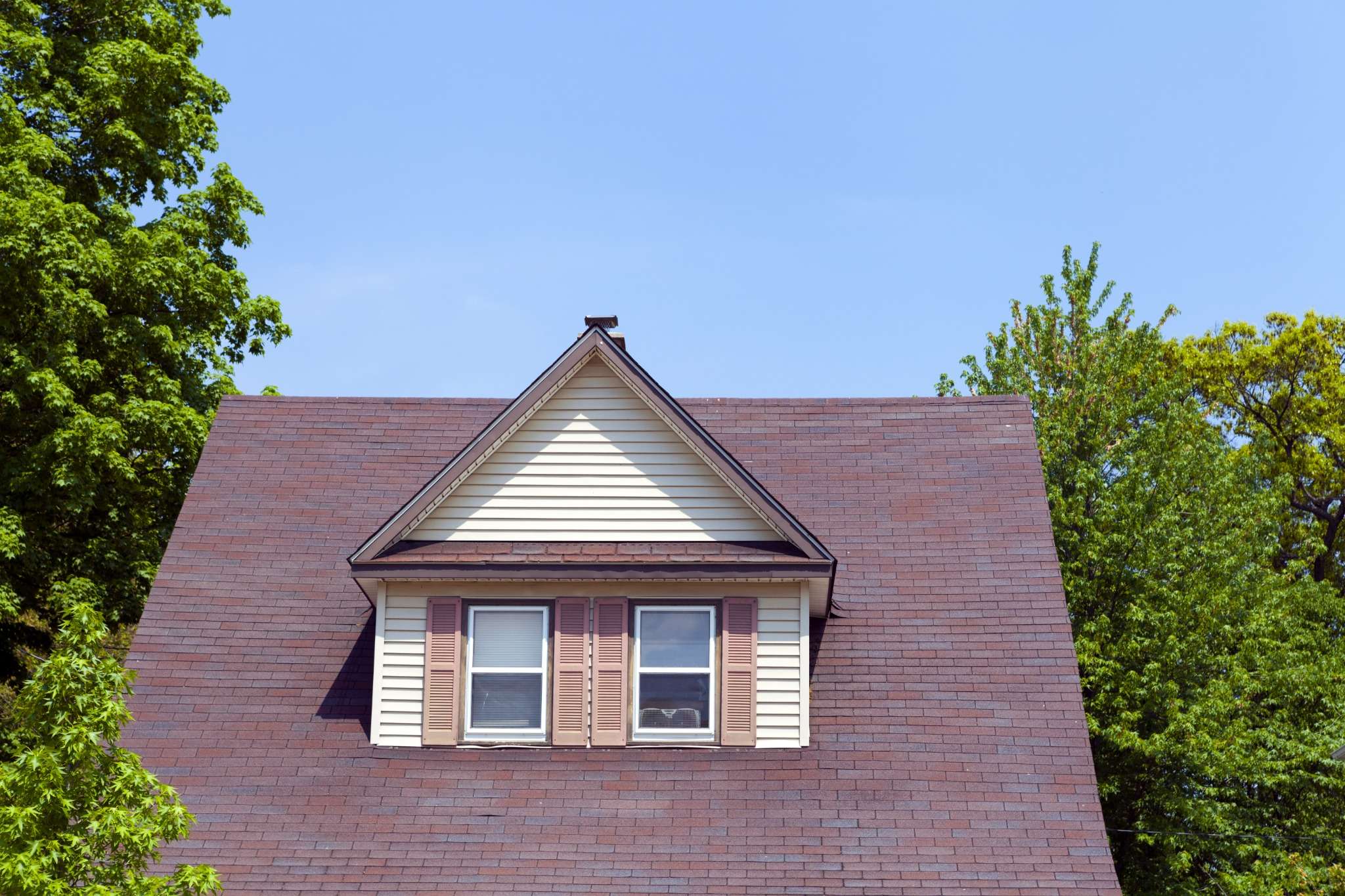
Budgeting a large property roof replacement is defined as estimating total installed costs per square foot across materials, labor, tear-off, and permits to complete a full re-roofing project within a set financial limit. In Wichita, Kansas, commercial roof replacement costs range from $4.50 to $14.00 per square foot depending on material type, building age, and roof complexity. For large properties, those numbers shift meaningfully because scale works in your favor. Understanding the full cost picture before you sign a contract is what separates a controlled project from one that runs over budget by tens of thousands of dollars.
What local cost factors impact large roof replacement budgeting in Wichita?
Wichita presents a specific set of cost conditions that differ from national averages, and knowing them gives you real leverage when planning a budget large property roof replacement. The city’s aging commercial building stock, frequent hail events, and seasonal labor demand all push costs in directions that generic online calculators never capture.
Installed cost ranges for common systems in Wichita in 2026:
- TPO (thermoplastic polyolefin): $5.00 to $8.00 per sq ft, including full installation
- EPDM (ethylene propylene diene monomer): $4.50 to $7.50 per sq ft installed
- Metal roofing systems: $8.00 to $14.00 per sq ft installed
These ranges reflect Wichita’s aging buildings, storm exposure, and labor availability. A building that has absorbed decades of Kansas hail and wind may require more deck repairs after tear-off, which adds cost before a single new membrane goes down.
One factor that works in your favor on large properties: economies of scale reduce costs by 15 to 25% per square foot compared to smaller commercial roofs. That means a 50,000-square-foot warehouse roof in Wichita’s aviation or manufacturing corridor will carry a lower per-square-foot price than a 5,000-square-foot retail strip. The fixed mobilization costs, equipment setup, and crew travel get spread across more area.
Labor availability also shifts with the calendar. Peak roofing season in Wichita runs April through October, driven by storm repair demand and favorable weather. Contractors charge more during this window because demand outpaces supply. Scheduling your project in November, February, or March can reduce labor costs by 5 to 15%, which on a large roof translates to real savings.
Regulatory costs are non-negotiable. Kansas requires all roofing contractors to register with the Kansas Attorney General’s Office under the Kansas Roofing Registration Act before performing any paid roofing work. Registration requires liability insurance, workers’ compensation coverage, tax clearance, and a $250 fee. Budget for permit fees separately, as Wichita building permits for large commercial re-roofing projects add to your total project cost.
Pro Tip: Ask every contractor for their Kansas Roofing Registration number before requesting a bid. If they cannot produce it, remove them from consideration immediately.
Which roofing materials offer the best budget-friendly options for large properties?
Material selection is the single largest lever you control in a large property roof replacement budget. The right choice depends on your upfront spending limit, how long you plan to hold the property, and how much ongoing maintenance your team can realistically manage.

| Material | Installed Cost (Wichita) | Typical Lifespan | Maintenance Level | Best For |
|---|---|---|---|---|
| TPO | $5.00 to $8.00/sq ft | 20 to 30 years | Low | Energy efficiency, new builds |
| EPDM | $4.50 to $7.50/sq ft | 20 to 25 years | Moderate | Budget-conscious projects |
| Metal | $8.00 to $14.00/sq ft | 40 to 70 years | Very low | Long-term hold properties |
| Modified bitumen | $4.00 to $7.00/sq ft | 15 to 20 years | Moderate to high | Older building retrofits |
EPDM carries the lowest entry price, but TPO offers a stronger balance of cost and lifecycle value when you factor in maintenance and repairs over time. EPDM membranes require more frequent seam repairs and are more susceptible to puncture, which raises total cost of ownership on a large roof where maintenance labor adds up fast. TPO’s heat-welded seams hold better under Wichita’s temperature swings, from sub-zero winters to 100-degree summers.
Metal roofing carries the highest upfront price but the lowest lifetime cost per year of service. A standing-seam metal roof installed at $11.00 per square foot that lasts 50 years costs far less annually than an EPDM system at $6.00 per square foot replaced every 20 years. For property owners planning to hold an asset for decades, lifecycle cost analysis is the correct framework, not first-cost comparison alone.
Modified bitumen is worth considering for older Wichita buildings with irregular roof decks or multiple penetrations, since it conforms well to complex surfaces. Its shorter lifespan and higher maintenance demands make it a better short-term solution than a permanent one.
Pro Tip: Request energy cost projections from your contractor when comparing TPO versus EPDM. TPO’s white reflective surface can reduce cooling loads in Wichita summers, and that savings compounds over the roof’s life.
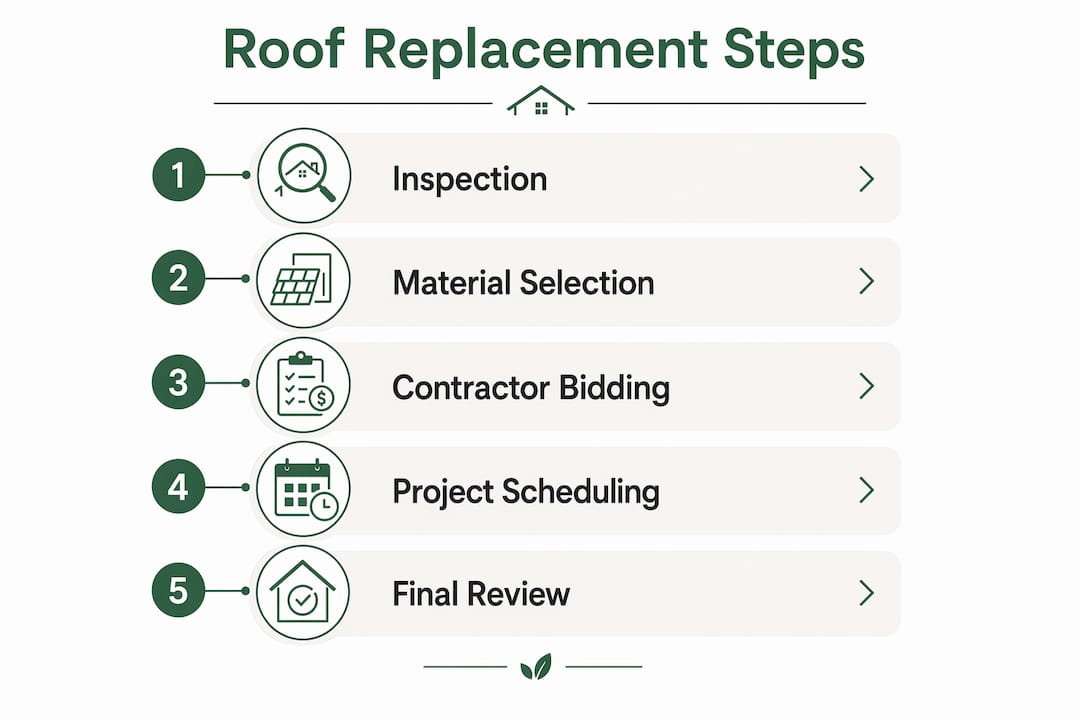
How to plan and execute a cost-effective large roof replacement project
A structured approach to planning keeps your budget large property roof replacement from expanding beyond its original scope. Follow these steps in order, and you will avoid the most common sources of cost overrun.
-
Commission a professional roof assessment. Before requesting bids, hire a licensed inspector to document existing membrane condition, deck integrity, insulation R-value, and drainage performance. This report gives every bidding contractor the same baseline, which produces comparable quotes.
-
Define your project scope in writing. Specify tear-off versus overlay, insulation replacement, flashing details, drain upgrades, and warranty requirements. Vague scopes produce vague bids, and vague bids produce disputes.
-
Collect a minimum of three bids from registered contractors. Choosing the lowest bid without verifying qualifications and included scope increases the risk of project failure and cost overruns. Require each bidder to itemize tear-off, materials, labor, permits, and warranty separately so you can compare line by line.
-
Verify contractor credentials before signing. Confirm Kansas Roofing Registration, active liability insurance, and workers’ compensation coverage. Check references from at least two comparable large-roof projects completed in the past three years. Roofwichita’s guide on choosing a licensed contractor walks through each verification step in detail.
-
Budget permits and inspections as a line item. Wichita building permits for large commercial re-roofing are not optional, and inspections are required at specific project milestones. Omitting these from your budget creates a surprise expense mid-project.
-
Schedule during off-peak months. Targeting a November through March start date positions you to negotiate better labor rates. Contractors with open calendars are more willing to hold pricing and prioritize your project timeline.
-
Set a contingency reserve before you finalize the budget. This step is covered in detail in the next section, but the number belongs in your plan from day one, not added after problems surface.
The most effective way to control costs on a large commercial re-roof is to compare roofing options before committing to a material, then lock in scope and schedule before labor rates climb in spring.
Common budgeting mistakes that derail large roof replacements
Most large roof replacement projects that run over budget share the same set of avoidable errors. Recognizing them before your project starts is worth more than any discount a contractor might offer.
-
Skipping the contingency reserve. Budget a 10 to 15% contingency on all roofing bids, and increase that to 15 to 20% for buildings older than 30 years. Hidden damage to the roof deck, wet insulation, and deteriorated fasteners only become visible after tear-off begins. Without a reserve, you face a choice between stopping work or blowing your budget.
-
Ignoring tear-off costs. Tear-off runs $1.25 to $2.50 per square foot depending on the number of existing layers, hazardous material presence such as asbestos, and local disposal requirements. On a 40,000-square-foot roof, that is $50,000 to $100,000 before a single new material goes down. Many property owners treat tear-off as an afterthought and are blindsided by the number.
-
Accepting the lowest bid without scrutiny. A bid that comes in 20% below the others is almost always missing something. Verify that each quote includes the same scope: full tear-off, deck inspection and repair allowance, new insulation, membrane, flashing, drains, and manufacturer warranty registration.
-
Underestimating complexity costs. Rooftop HVAC units, skylights, multiple drains, parapet walls, and penetrations all add labor time and material. A flat-looking roof with 30 penetrations costs significantly more per square foot than one with five.
-
Skipping permit and inspection budgeting. Unpermitted roofing work in Wichita can result in stop-work orders, fines, and problems with property insurance claims. The permit fee is a small fraction of total project cost and non-negotiable.
“The most expensive roof replacement is the one you have to do twice. Cutting corners on materials, contractor vetting, or contingency planning on a large property creates a second project within ten years.”
Key takeaways
Effective budget planning for a large property roof replacement in Wichita requires combining local cost data, material lifecycle analysis, contractor vetting, and a realistic contingency reserve before any work begins.
| Point | Details |
|---|---|
| Know Wichita cost ranges | TPO, EPDM, and metal systems run $4.50 to $14.00 per sq ft installed in Wichita. |
| Use economies of scale | Large roofs cost 15 to 25% less per sq ft than smaller commercial roofs. |
| Choose materials by lifecycle cost | TPO and metal outperform EPDM on total cost of ownership over 20-plus years. |
| Verify contractor registration | Kansas law requires all roofing contractors to register with the Attorney General’s Office. |
| Build in a contingency reserve | Set aside 10 to 20% above your base bid to cover tear-off surprises and deck repairs. |
What I have learned about large roof budgets in Wichita
After working through dozens of large commercial roof projects in Wichita, the pattern I see most often is property owners treating the roof as a commodity purchase. They collect bids, pick the lowest number, and assume the project will run as planned. It rarely does.
The owners who come out ahead are the ones who spend time on the front end. They get a proper inspection before bidding, they define scope in writing, and they build a contingency reserve into the budget before negotiations start. That preparation gives them leverage. A contractor who knows you understand the project is less likely to cut corners or submit a vague scope.
The lifecycle cost argument is real, not theoretical. I have seen property owners choose EPDM over TPO to save $1.50 per square foot on a 30,000-square-foot roof, saving $45,000 upfront. Then they spend $8,000 to $12,000 per year on seam repairs and maintenance for the next decade. The math does not work in their favor. TPO or metal, priced correctly and installed by a registered contractor, almost always delivers better value over the holding period.
Timing matters more than most owners realize. Scheduling a large re-roof for January or February in Wichita is not always practical, but even pushing a project from May to October can open up contractor availability and reduce labor pressure. The off-peak window is real, and contractors will negotiate more aggressively when their backlog is thin.
My honest advice: treat the contingency reserve as a fixed cost, not an optional buffer. On any building older than 25 years in Wichita, assume the deck has problems you cannot see. Budget for them. If the deck comes out clean, you have money left over. If it does not, you are prepared.
— Virtual
How Roofwichita can help with your large property roof replacement
Roofwichita, operated by Equity Builders Roofing, specializes in large-scale commercial and residential roof replacement throughout Wichita and surrounding communities. The team brings licensed, registered contractors to every project, along with transparent pricing and detailed written scopes that eliminate budget surprises.

Whether you are managing a warehouse, multi-unit property, or large commercial building, Roofwichita offers free consultations and competitive estimates backed by real local cost data. The team handles everything from initial inspection through permit coordination and final inspection, so you stay in control of your budget at every phase. Visit the Wichita roof installation page to request your estimate, or explore commercial roofing services to see how Roofwichita supports large property owners from first assessment to final walkthrough.
FAQ
What does a large property roof replacement cost in Wichita?
Installed costs in Wichita range from $4.50 per square foot for EPDM to $14.00 per square foot for metal systems. Large buildings benefit from economies of scale that reduce per-square-foot costs by 15 to 25% compared to smaller roofs.
Which roofing material is the most cost-effective for large commercial roofs?
TPO offers the best balance of upfront cost and lifecycle value for most large commercial properties in Wichita. Metal roofing carries a higher initial price but delivers the lowest annual cost over a 40-to-70-year lifespan.
How much contingency should I budget for a large roof replacement?
Budget 10 to 15% above your base bid for buildings under 30 years old, and 15 to 20% for older structures. Tear-off frequently reveals hidden deck damage that adds cost before new materials can be installed.
Do Kansas roofing contractors need to be licensed?
Kansas requires all roofing contractors to register with the Kansas Attorney General’s Office under the Kansas Roofing Registration Act. Registration requires liability insurance, workers’ compensation, tax clearance, and a $250 fee.
When is the best time to schedule a large roof replacement in Wichita?
Scheduling outside the April-to-October peak season reduces labor costs by 5 to 15%. November through March offers better contractor availability and more room to negotiate pricing on large projects.