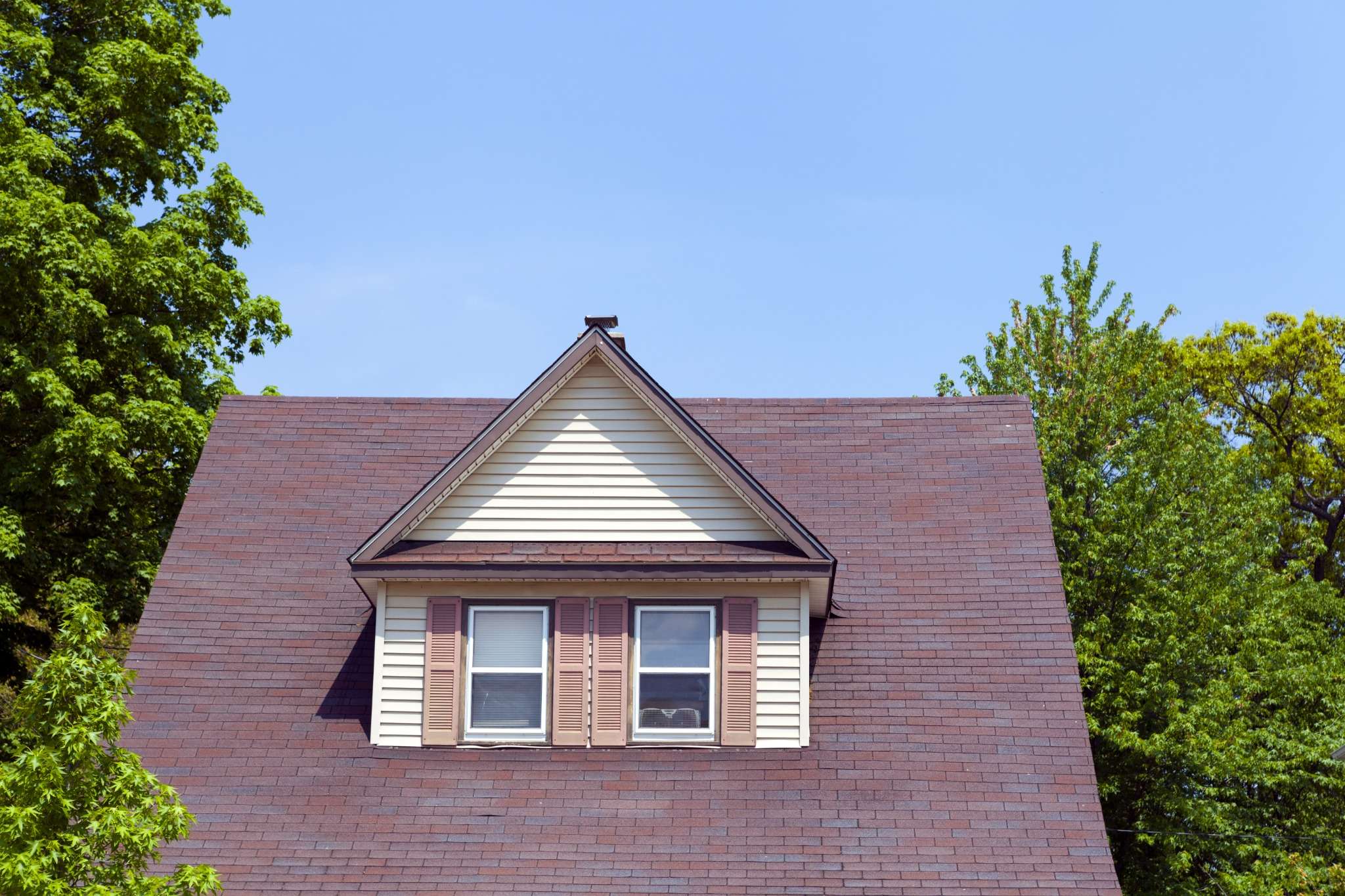
A roof inspection is a professional assessment of your roofing system’s condition, designed to detect damage, wear, and structural vulnerabilities before they become expensive problems. Most homeowners only think about their roof when water appears on the ceiling, but by that point, the damage has already spread well beyond the visible stain. The National Roofing Contractors Association (NRCA) advocates routine inspections as the single most effective form of preventive roof maintenance. Professional inspections cost $75 to $400 yet can save $20,000 to $50,000 over a roof’s lifetime by preventing major repairs and extending its usable life. Documented inspections also protect manufacturer warranties and support insurance claims, two benefits most homeowners discover only after they’ve lost them.
Why roofs need inspections: the core case
Roofs deteriorate continuously, and most of that deterioration is invisible from the ground. UV radiation breaks down shingle granules. Freeze-thaw cycles in Kansas winters expand and contract roofing materials, loosening fasteners and cracking sealants. Wind-driven rain forces moisture into gaps that look perfectly sealed from street level. Routine inspections prevent cascading failures by catching these small issues early, shifting roof care from reactive to proactive.
The financial logic is straightforward. A minor flashing repair caught during an inspection costs a few hundred dollars. Left unaddressed for one or two seasons, that same gap allows moisture to penetrate the decking, insulation, and framing. A $300 repair ignored can become a $5,000 to $15,000 structural repair once water has traveled through the roofing layers and damaged the structure below. That progression is not unusual. It is the standard outcome when inspections are skipped.
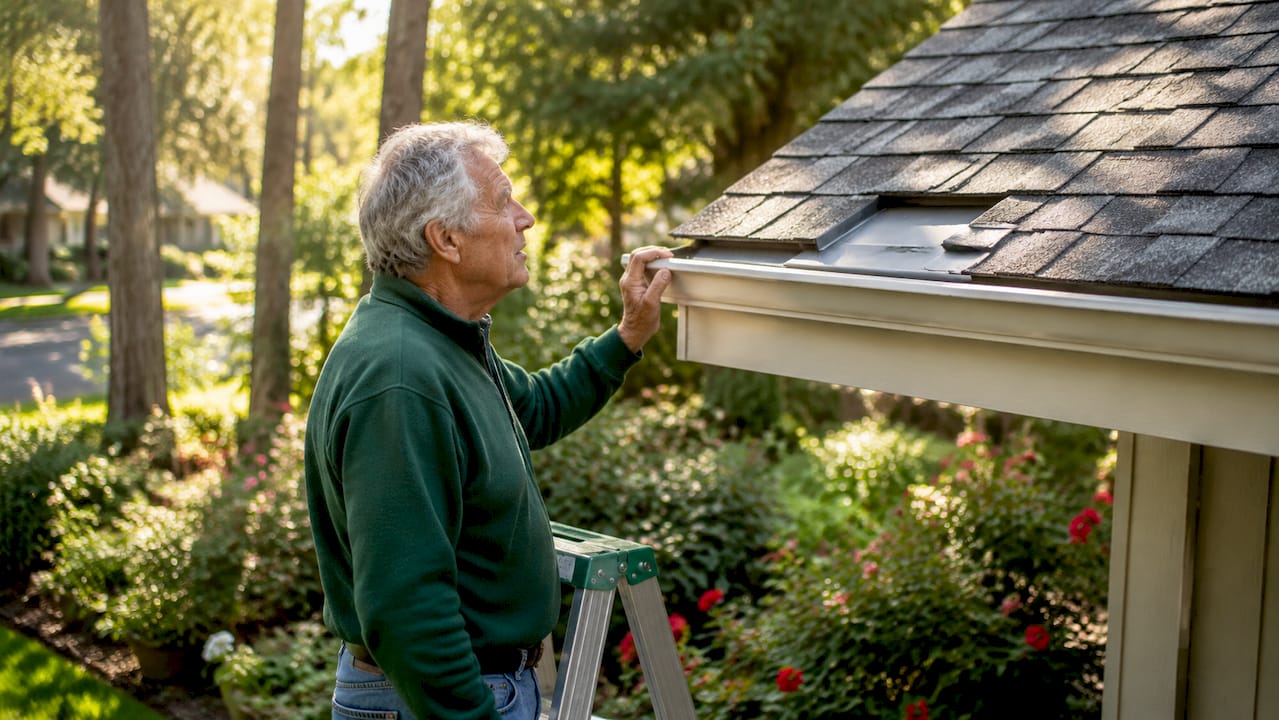
Inspections also serve as financial planning tools. Inspections provide financial clarity that allows property owners to budget for maintenance rather than scramble for emergency repair funds. Knowing your roof has three to five years of life remaining lets you plan a replacement on your schedule, not a storm’s schedule.
How often should roofs be inspected?
The NRCA recommends at least twice per year, with spring and fall as the standard timing. Spring inspections catch damage from winter ice, snow load, and freeze-thaw stress. Fall inspections confirm the roof is sealed and ready before cold weather returns. This two-inspection rhythm is the baseline, not the ceiling.
Additional inspections are necessary after severe weather events. Wichita and surrounding Kansas communities experience hail, high winds, and intense thunderstorms that can cause significant damage in a single afternoon. After any storm with hail larger than one inch or sustained winds above 60 mph, a professional inspection is the right call regardless of where you are in your annual schedule. You can learn more about what to do after a storm at Roofwichita’s storm damage guide.
Inspection frequency also depends on roofing material and age:
- Asphalt shingles are the most common residential material and benefit from the standard biannual schedule, with additional checks after hail events.
- Tile and metal roofs are more durable but still require annual inspections to check fasteners, underlayment, and flashing integrity.
- Flat or low-slope commercial roofs need inspections every three to six months because standing water and membrane punctures develop faster and are harder to spot.
- Roofs older than 15 years warrant more frequent inspections regardless of material, since aging systems deteriorate faster and have less tolerance for minor damage.
Pro Tip: Schedule your fall inspection in September or October, before temperatures drop below 40°F. Sealants and adhesives need moderate temperatures to be properly assessed and repaired, and contractors have more scheduling flexibility before the winter rush.
What does a professional roof inspection cover?
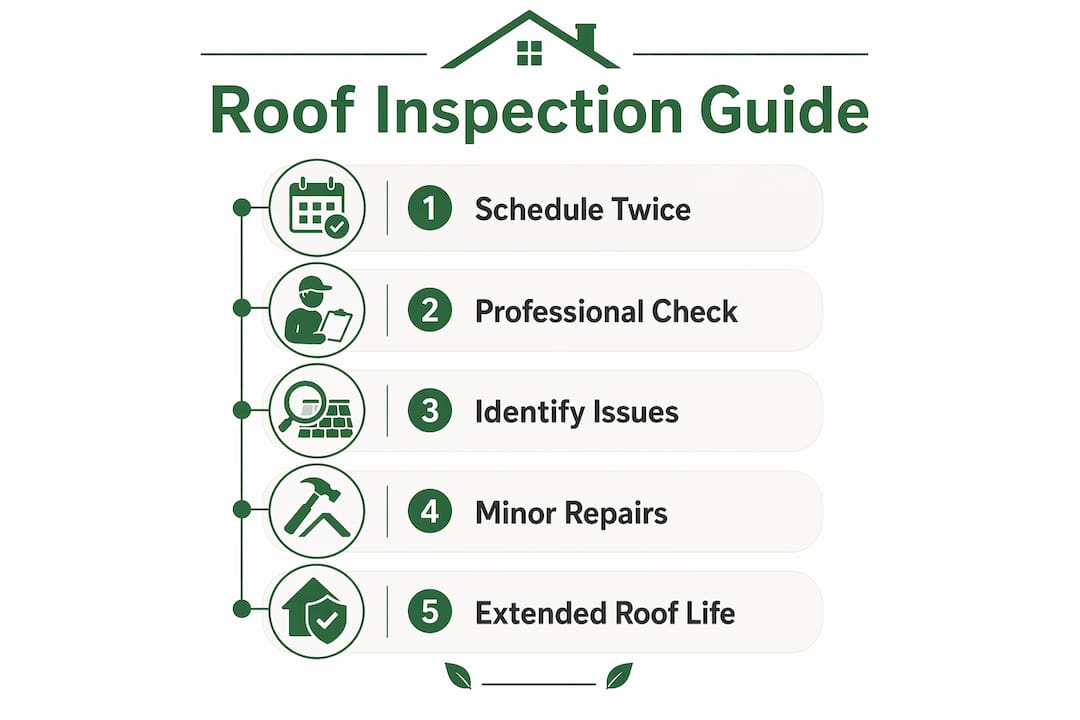
Professional inspections evaluate the entire roofing system comprehensively, including flashings, penetrations, drainage, and attic conditions, not just the visible surface wear that a homeowner might notice from the yard. This thoroughness is what separates a professional assessment from a casual visual check.
A qualified inspector examines the following components:
- Shingles, tiles, or membrane: Checks for cracking, curling, missing sections, granule loss, and blistering that indicate UV or moisture damage.
- Flashings and sealants: Inspects metal flashings around chimneys, skylights, vents, and valleys where water is most likely to infiltrate.
- Pipe penetrations and boots: Rubber boots around plumbing vents crack and shrink over time, creating direct water entry points.
- Gutters and drainage: Blocked gutters cause water to back up under shingles and rot fascia boards. Inspectors check flow, slope, and attachment.
- Attic conditions: Moisture staining, mold growth, inadequate ventilation, and compressed insulation are all signs of active or past leaks.
- Hail impact damage: Hail impact can fracture protective granules on shingles invisibly, leading to accelerated aging and insurance claim denials if the damage goes undocumented.
Modern inspectors also use drones and thermal imaging cameras to identify moisture pockets and heat loss patterns that are invisible to the naked eye. Thermal imaging is particularly useful on flat commercial roofs where trapped moisture under the membrane does not show any surface signs until the damage is severe.
Pro Tip: Ask your inspector for a written report with photographs after every visit. This documentation is your primary defense when filing an insurance claim or invoking a manufacturer warranty. Without it, insurers and manufacturers have no obligation to honor coverage.
Financial and property value benefits of regular inspections
The cost comparison between inspections and deferred maintenance is not close. A professional inspection runs $75 to $400 for most residential properties. A full roof replacement in Wichita ranges considerably higher, and commercial roof replacement costs $5 to $12 per square foot, meaning a 20,000 square foot commercial roof can cost $100,000 to $240,000 to replace. Biannual inspections extend roof life by 25% or more, which on a commercial property represents hundreds of thousands of dollars in deferred capital expense.
The table below illustrates the cost difference between catching issues early versus discovering them late:
| Scenario | Typical cost range |
|---|---|
| Professional inspection | $75 to $400 |
| Minor flashing repair (caught at inspection) | $200 to $500 |
| Leak repair after water infiltration | $1,500 to $5,000 |
| Structural repair from prolonged moisture | $5,000 to $15,000 |
| Full residential roof replacement | $8,000 to $20,000+ |
| Full commercial roof replacement (20,000 sq ft) | $100,000 to $240,000 |
Warranty compliance is a less-discussed but equally important benefit. Lack of documented inspections is the leading cause of denied warranty and insurance claims, even when the underlying damage would otherwise be covered. Manufacturers require proof of regular maintenance to honor material warranties. Insurers look for inspection records when evaluating storm damage claims. Skipping inspections does not just risk the roof. It risks the financial protection you paid for when you bought the materials or the policy.
Well-maintained roofs last 25 to 30 years or more, while neglected roofs often fail in 12 to 15 years. That gap represents a full replacement cycle. For a property manager overseeing multiple buildings, the savings from consistent inspection programs compound significantly over a decade.
Pro Tip: Keep a dedicated folder, physical or digital, for every inspection report, repair receipt, and warranty document related to your roof. If you ever sell the property or file a claim, this record is worth far more than its storage space.
Signs your roof needs an inspection sooner than scheduled
Some warning signs indicate you should not wait for your next scheduled inspection. Acting on these signals quickly limits repair scope and cost. Early detection of minor issues converts unpredictable emergency repairs into manageable maintenance, protecting both property value and the contents inside.
Watch for these specific warning signs:
- Missing, curling, or cracked shingles visible from the ground or yard, which expose the underlayment to direct weather.
- Granule accumulation in gutters, a sign that shingles are shedding their protective coating and nearing the end of their effective life.
- Water stains on interior ceilings or walls, which indicate active or recent moisture infiltration. Water travels invisibly through roof structure for months before appearing as an interior stain, so visible damage is already a delayed indicator.
- Damp or compressed attic insulation, which signals ongoing moisture entry even if no ceiling stain is yet visible.
- Lifted or separated flashing around chimneys, vents, or skylights, especially after high winds.
- Pooling water on flat roofs that remains 48 hours after rain, indicating drainage failure or membrane depression.
- Unusual drafts or temperature inconsistencies in upper-floor rooms, which can point to ventilation problems caused by damaged roofing components.
- Post-storm hail impacts, even from small hail. One-inch hail causes serious unseen damage to shingle granules that only a professional can properly document for insurance purposes.
If you notice any of these signs, contact a qualified roofing contractor promptly. Waiting for your next scheduled inspection when active warning signs are present increases both the repair cost and the risk of interior damage to insulation, framing, and personal property.
Key takeaways
Regular roof inspections are the most cost-effective tool a homeowner or property manager has to protect their roofing investment, preserve warranty coverage, and avoid emergency repair costs.
| Point | Details |
|---|---|
| Inspect at least twice per year | Schedule spring and fall inspections per NRCA guidelines, plus after any severe storm. |
| Early repairs cost far less | A $300 fix ignored can escalate to $15,000 in structural damage within one or two seasons. |
| Documentation protects coverage | Inspection records are required to honor manufacturer warranties and support insurance claims. |
| Neglected roofs fail sooner | Well-maintained roofs last 25 to 30 years; neglected ones often fail in 12 to 15 years. |
| Warning signs demand prompt action | Interior stains, granule loss, and lifted flashing all require immediate professional evaluation. |
Why I treat roof inspections like a financial audit
Most homeowners I speak with view a roof inspection as an added expense they can defer until something goes wrong. That thinking is understandable, but it is also the most expensive approach available. A roof inspection is not a cost. It is a financial audit of your largest physical asset.
I have seen properties where a $200 inspection would have identified a failing pipe boot three years before the owner discovered a mold problem in the attic. The mold remediation alone cost more than ten times what the repair would have. The inspection was skipped because the roof “looked fine.” Roofs almost always look fine from the driveway.
The homeowners and property managers who manage their roofing costs most effectively treat inspections the same way they treat oil changes or annual physicals. They are not optional. They are scheduled, documented, and non-negotiable. Choosing a qualified inspector, one who provides written reports with photographs and checks Kansas weather impacts specific to your region, is the difference between a maintenance program and a false sense of security. Schedule the inspection. Keep the records. Your future self will thank you.
— Virtual
Get a professional roof inspection in Wichita today
Roofwichita, the local name for Equity Builders Roofing, provides professional roof inspections for residential and commercial properties throughout Wichita, Kansas and surrounding communities. Every inspection follows NRCA standards and includes a written report with photographs, giving you the documentation you need for insurance claims and warranty compliance.

Whether you need a routine biannual inspection, a post-storm assessment, or a full roof repair in Wichita, the Roofwichita team is ready to help you protect your property and your budget. For property managers overseeing multiple buildings, Roofwichita also offers commercial roofing in Wichita with inspection-based maintenance planning that keeps capital expenses predictable. Call Roofwichita today to schedule your inspection before the next season or the next storm arrives.
FAQ
How often should a roof be inspected?
The NRCA recommends professional roof inspections at least twice per year, in spring and fall, plus an additional inspection after any severe weather event involving hail or high winds.
What does a roof inspection cost?
Professional roof inspections typically cost $75 to $400 for residential properties. That investment is minor compared to the $5,000 to $15,000 or more in structural repairs that can result from undetected moisture damage.
Can hail damage be invisible after a storm?
Yes. Hail as small as one inch can fracture the protective granules on shingles without leaving obvious visible marks. This type of damage accelerates shingle aging and must be professionally documented to support an insurance claim.
What happens if I skip roof inspections?
Skipping inspections risks voiding your manufacturer warranty, weakening your insurance claim position, and allowing minor issues to escalate into costly structural repairs. Neglected roofs also fail significantly sooner, often in 12 to 15 years versus 25 to 30 years for maintained roofs.
What are the most common signs a roof needs immediate inspection?
Missing or curling shingles, granule buildup in gutters, water stains on interior ceilings, lifted flashing, and pooling water on flat roofs all indicate a roof needs professional evaluation before the next scheduled inspection.